
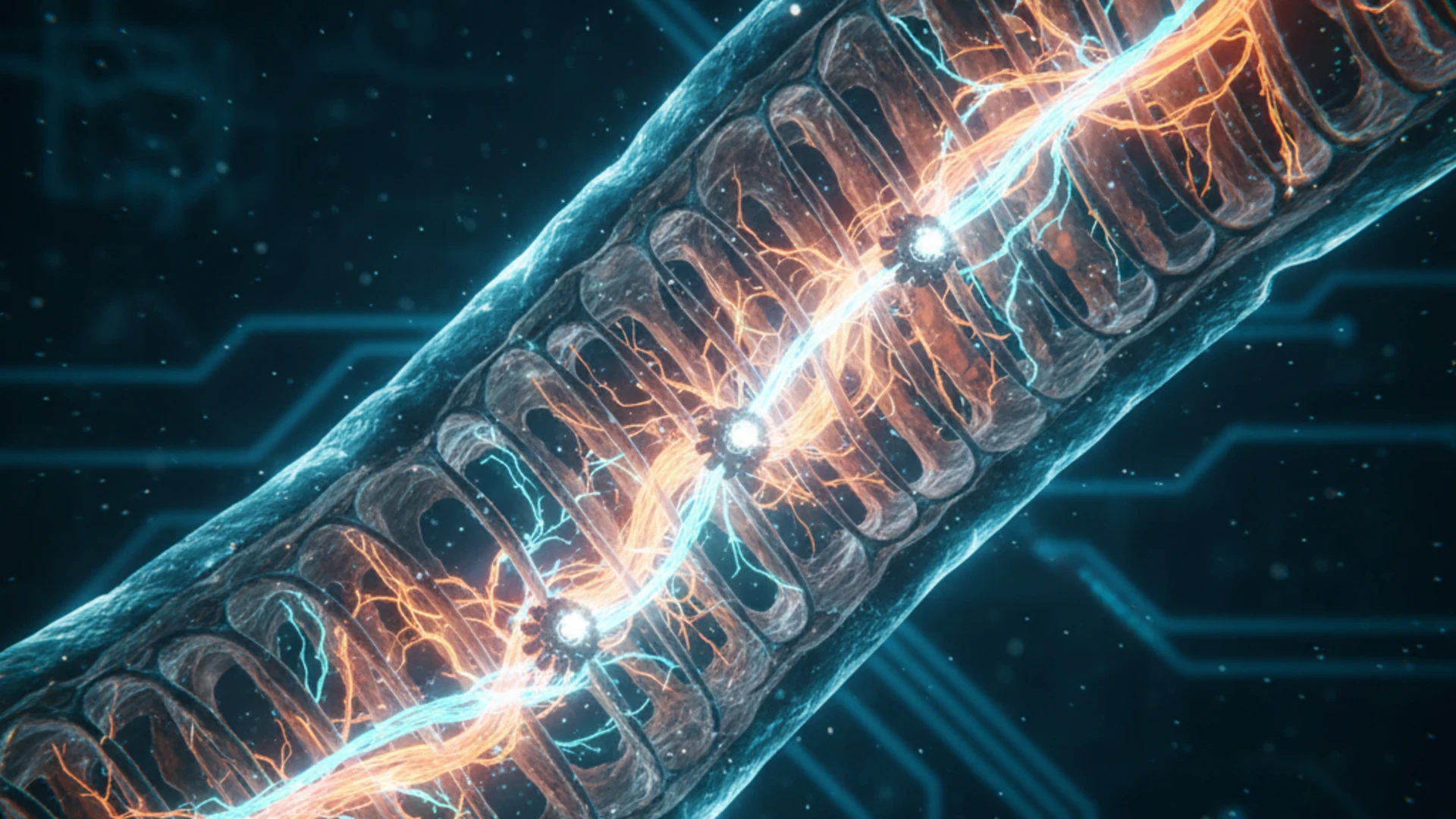
In cellular biology, few molecules hold as central a role as NAD+ (Nicotinamide Adenine Dinucleotide). It is one of the most essential cofactors in all known forms of life, participating in countless biochemical reactions that sustain cellular energy, repair, and regulation. Far beyond a single metabolic function, NAD+ forms the backbone of processes that maintain cellular integrity and adaptive capacity.
What Is NAD+?
NAD+ is a universal coenzyme found in every living cell, existing in two interconvertible forms:
- NAD+ (oxidized form)
- NADH (reduced form)
This redox pair plays a vital role in energy metabolism by transferring electrons between molecules — the essential mechanism behind glycolysis, the citric acid cycle, and oxidative phosphorylation.
Through these reactions, NAD+ acts as a carrier of electrons and hydrogen ions, enabling efficient energy production in the form of ATP.
Beyond metabolism, NAD+ is a required substrate for several enzyme families, most notably:
- Sirtuins – NAD+-dependent deacetylases that regulate gene expression, stress responses, and cellular longevity.
- Poly (ADP-ribose) polymerases (PARPs) – enzymes central to DNA repair and genomic stability.
These dual roles—energy transfer and enzymatic regulation—make NAD+ a cornerstone molecule for exploring the link between metabolism, gene control, and cellular resilience.
Key Research Applications
Because of its central biological role, NAD+ is widely studied in diverse experimental systems, including:
- Energy Metabolism: Investigating NAD+ dynamics in glycolysis, mitochondrial respiration, and ATP synthesis efficiency.
- Gene Regulation and Sirtuin Activity: Examining NAD+-dependent epigenetic control and its effects on cellular aging and stress adaptation.
- DNA Repair Models: Studying PARP-mediated pathways to understand genomic maintenance and response to DNA damage.
- Mitochondrial Biogenesis: Observing how NAD+ availability influences mitochondrial replication, energy output, and oxidative balance.
- Neurobiological Research: Exploring its role in neuronal health, signaling, and defense against oxidative or metabolic stress.
Together, these research pathways highlight NAD+ as a fundamental molecular axis connecting metabolism, repair, and cellular longevity.
Scientific Context
NAD+ is often regarded as a cellular currency of redox energy—the molecule that enables countless reactions to proceed efficiently.
Fluctuations in NAD+ levels influence numerous physiological states, including metabolic rate, stress response, and age-associated decline.
Its measurement and modulation provide an essential tool for understanding how cells maintain balance under both normal and stress conditions.
Laboratory Considerations
Accurate and reproducible NAD+-related research depends on strict experimental controls, such as:
- Verified compound purity through HPLC and mass spectrometry analysis.
- Consistent handling to prevent degradation, as NAD+ is light- and temperature-sensitive.
- Use of appropriate internal standards when quantifying NAD+/NADH ratios in biological samples.
These practices ensure that results reflect genuine biological effects rather than methodological variation.
Conclusion
NAD+ (Nicotinamide Adenine Dinucleotide) remains one of the most studied and indispensable molecules in biochemistry.
It serves as a universal connector between cellular energy metabolism, gene regulation, and genomic stability.
By studying NAD+, researchers gain critical insights into the mechanisms that sustain life, adaptation, and repair at the molecular level.
Disclaimer:
All information presented is for educational and laboratory research purposes only. NAD+ is not approved for human or veterinary use.